
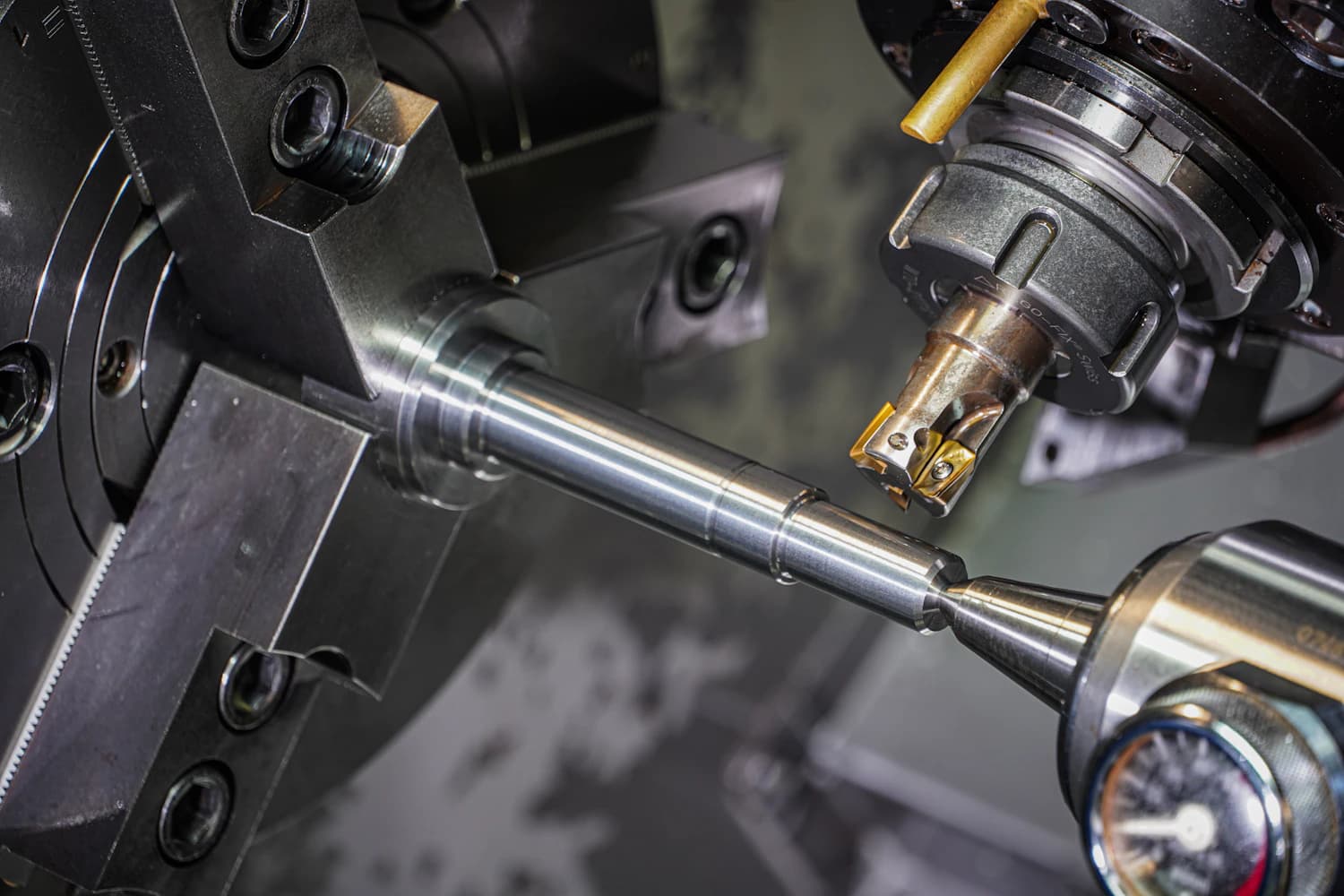
Cleaning Chemicals for Tool & Cutting Tool Manufacturing
Tool work is precision cleaning on parts that are simultaneously very hard and very intolerant of corrosion. Grinding and honing leave abrasive residue in exactly the geometry that is hardest to reach, and the substrates — hardened high-carbon steel and cemented carbide — each punish the wrong chemistry differently.
The short answer
Cutting tool manufacturing has to remove grinding residue, honing oil and lapping compound from hardened steel and carbide without dulling edges or attacking the cobalt binder. That means ultrasonic or agitated immersion with a low-foam concentrate at 1–5% and 55–65 °C, and rust protection immediately after — high-carbon steel flash-rusts fast.
- Concentration
- 1–5%
- Wash temperature
- 55–65 °C
- Equipment
- Ultrasonic · agitated immersion
- Filtration
- Required — abrasive fines
- Rust protection
- Immediate after drying
The Tools & Cutting Tools Failure Modes
These are the problems we are called in for most often in this sector — and what causes each one.
Abrasive residue in flutes and edges
Grinding and lapping leave fine abrasive lodged in flutes, chip breakers and cutting edges. A spray jet cannot reach it, and if the bath is unfiltered it simply redeposits on the next load.
Carbide and its binder
Cemented carbide is a hard-metal matrix held together with a cobalt binder. Aggressive chemistry can leach that binder, weakening the edge in a way that shows up as premature tool failure rather than as a visible defect.
High-carbon steel rusts fast
Hardened tool steel is chemically bare after cleaning and unusually prone to flash rust. The gap between wash and protection is measured in minutes, not hours.
Coatings and marking
PVD-coated tools, laser marking and colour codes all have chemical limits. A cleaner that is excellent on bare steel can dull a coating or lift a marking.
What We Recommend
Where It Is Used
- Cutting tool and insert cleaning
- Grinding and honing residue removal
- Lapping compound removal
- Hand tool degreasing
- Ultrasonic cleaning of flutes and edges
- Rust protection between operations
- Pre-coating cleaning
Tools & Cutting Tools Cleaning — FAQ
How do you clean grinding residue out of cutting tool flutes?
Ultrasonic or agitated immersion with a low-foam concentrate at 1–5% and 55–65 °C. A spray jet cannot see into a flute or a chip breaker. Bath filtration is essential, or the abrasive fines you remove redeposit on the next load.
Is aqueous cleaning safe on carbide inserts?
With correctly selected chemistry, yes. The risk to guard against is leaching the cobalt binder that holds the hard-metal matrix together, which weakens the edge without leaving a visible defect. Compatibility is confirmed on your actual inserts before anything is recommended.
How quickly do tool steels rust after cleaning?
Fast — hardened high-carbon steel is chemically bare after a hot wash and can show flash rust within minutes in humid conditions. Dry completely and protect immediately; the cleaner's in-built 7–15 day inhibition covers short indoor holds, and PC RP-636 covers stock and transit.
Run a Trial on Your Tools & Cutting Tools Line
Send a sample part with your soil and wash equipment details. The lab matches a formulation and returns a dosing and trial plan before anything ships in volume.
Prefer to talk? Call +91-9731727868WhatsApp us