What is passivation?
Passivation is forming a thin, stable oxide layer on a metal so it stops reacting with its environment. On stainless steel it is a deliberate acid treatment that restores the chromium oxide film; on cleaned carbon steel, a light in-bath passivation from silicates buys short-term rust protection.
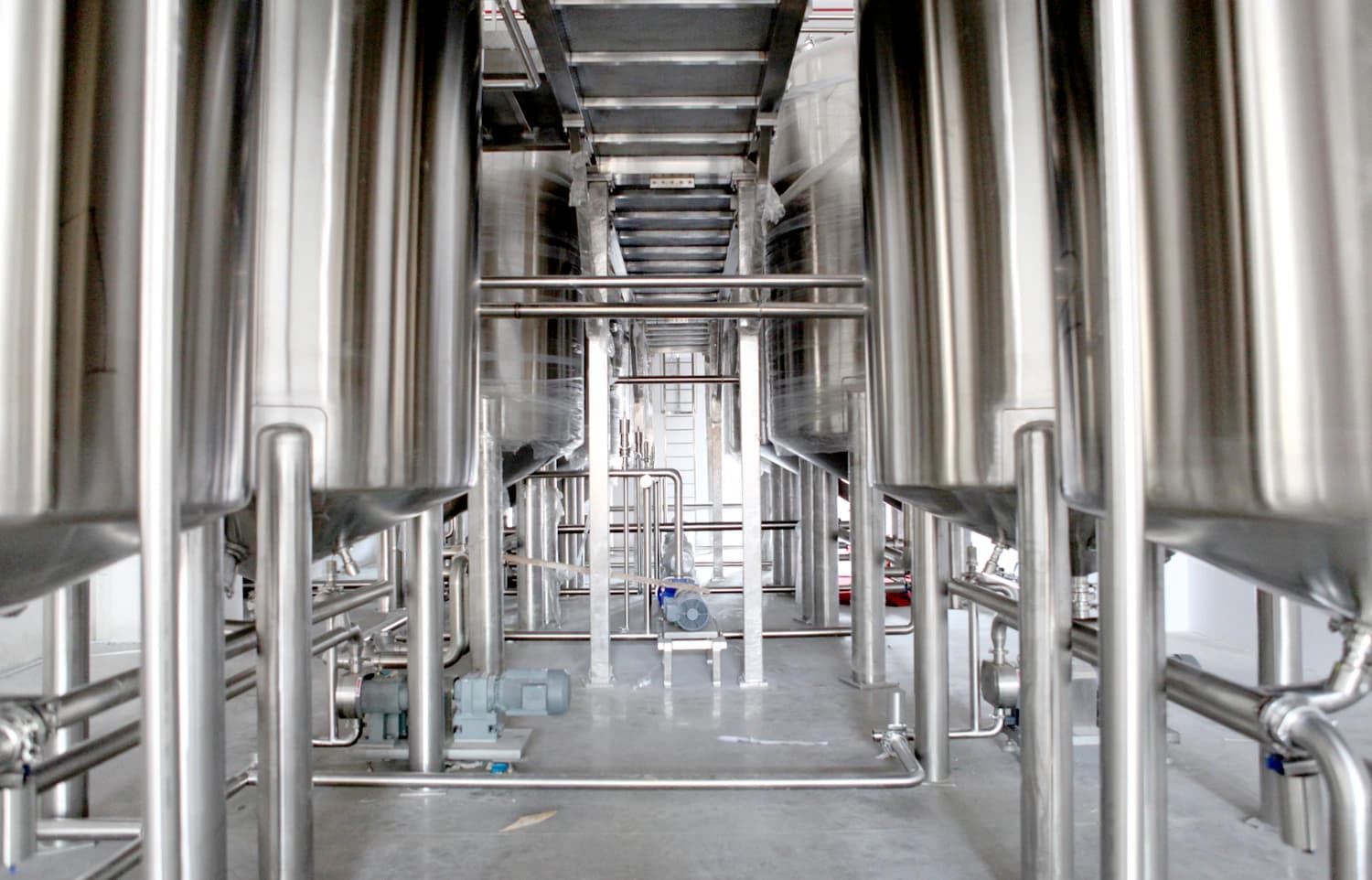
Stainless steel is corrosion resistant because of a chromium-rich oxide film only nanometres thick. Machining, grinding and free iron contamination disrupt that film, so a passivation treatment — typically nitric or citric acid — dissolves the free iron and lets the chromium oxide reform uniformly.
On carbon steel there is no equivalent permanent film, but silicate builders in an alkaline cleaner leave a weak passivating layer that slows flash rust in the minutes after the wash. It is a useful side-effect, not a substitute for a rust preventive.
Passivation is easily undone. Handling a passivated stainless part with steel tooling or storing it against carbon steel re-contaminates the surface with free iron and reintroduces the rust points the treatment removed.